
A Cash-Out Refinance allows homeowners to turn built-up home equity into usable cash, whether for renovations, debt consolidation, education expenses, emergency needs, or major financial goals. By replacing your existing mortgage with a new, larger one, you can access the difference in cash at closing while potentially improving your rate or loan structure.
With over 20+ years of mortgage experience, Jesse Schwager helps homeowners across Pennsylvania, New Jersey, Delaware, Virginia, and Maryland evaluate their equity, compare refinance scenarios, and choose the most financially beneficial Cash-Out Refinance strategy.
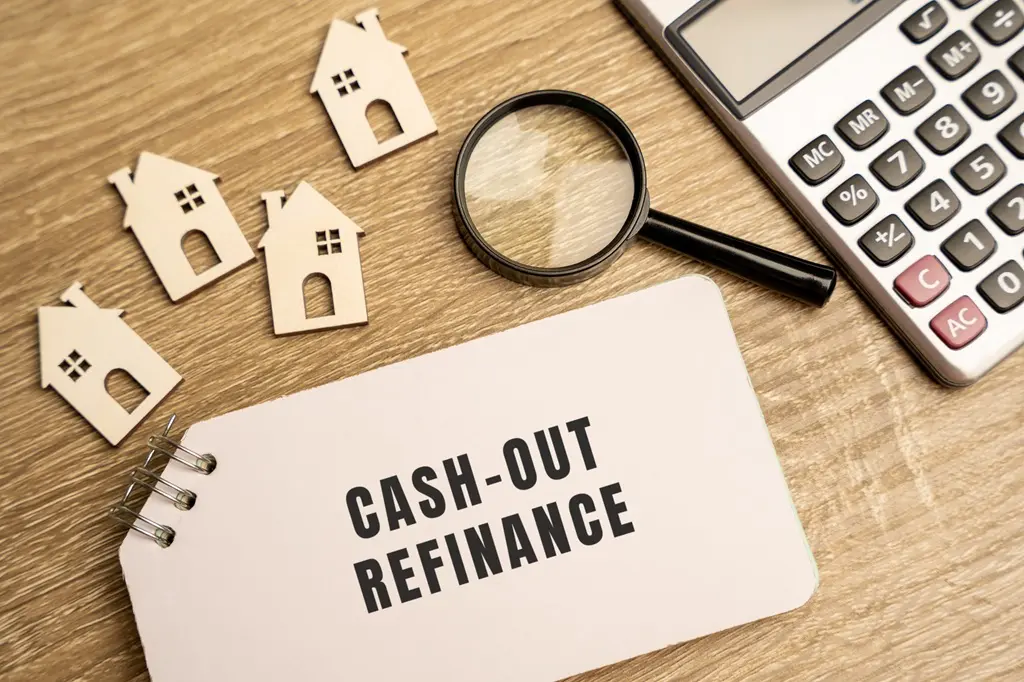
A Cash-Out Refinance replaces your current home loan with a new mortgage for a higher amount than you currently owe. The difference between the new loan amount and your existing balance is paid to you as cash.
This type of refinancing is one of the most powerful ways to use your home equity to support financial goals while keeping your mortgage interest tax-advantaged (consult with a tax advisor).
A Cash-Out Refinance may be ideal if you:
Your available cash is determined by:
Example:
If your home is worth $400,000 and you owe $250,000, and your lender allows 80% LTV:
Jesse provides a precise cash-out estimate based on real values and program guidelines.
Jesse ensures you understand every option so you can make the smartest financial decision.
If you want to access your home equity and strengthen your finances, a Cash-Out Refinance may be the right choice.
Start your Cash-Out Refinance evaluation today with a trusted mortgage professional.
A cash-out refinance is a mortgage transition where you replace your existing home loan with a new, larger mortgage. The new loan pays off your old balance, and the remaining funds are distributed to you as a lump sum of cash, which can be used for home improvements, debt consolidation, or other major expenses.
For most conventional and FHA loans in 2026, you can borrow up to 80% of your home’s appraised value. This means you must maintain at least 20% equity in the property after the refinance is complete. VA loans are an exception, often allowing eligible veterans to access up to 90% of their home’s value.
“Seasoning” refers to how long you must own the home before you can tap into its equity. For Conventional loans, you generally must be on the title for at least 12 months (increased from 6 months in recent years). FHA loans also require 12 months of on-time payments, while VA loans typically require 210 days.
To qualify in the current 2026 market, lenders typically look for:
In 2026, the interest on the “cash-out” portion of your loan is generally only tax-deductible if the funds are used to buy, build, or substantially improve the home that secures the loan. If the cash is used to pay off credit cards or buy a car, that portion of the interest is typically not deductible.
Closing costs for a cash-out refinance typically range between 2% and 5% of the new loan amount. These can often be “rolled into” the loan balance so you don’t have to pay out-of-pocket, though doing so increases your total debt and reduces the net cash you receive at closing.
A Limited Cash-Out (or Rate-and-Term) refinance is used to lower your rate or change your term. In 2026, the maximum cash back you can receive from a limited refinance is the greater of 1% of the loan amount or $2,000. Anything above this threshold is classified as a full “Cash-Out” transaction and is subject to stricter pricing and LTV limits.