A Debt-Consolidation Refinance allows homeowners to combine multiple high-interest debts such as credit cards, auto loans, personal loans, and medical bills into a single, affordable mortgage payment. By replacing high-rate debt with a lower-rate mortgage, homeowners can dramatically reduce their monthly expenses, simplify finances, and improve their long-term financial stability.
With over 20+ years of experience, Jesse Schwager helps borrowers across Pennsylvania, New Jersey, Delaware, Virginia, and Maryland determine whether a Debt-Consolidation Refinance is the right move, providing transparent cost comparisons and tailored mortgage strategies designed to improve financial well-being.
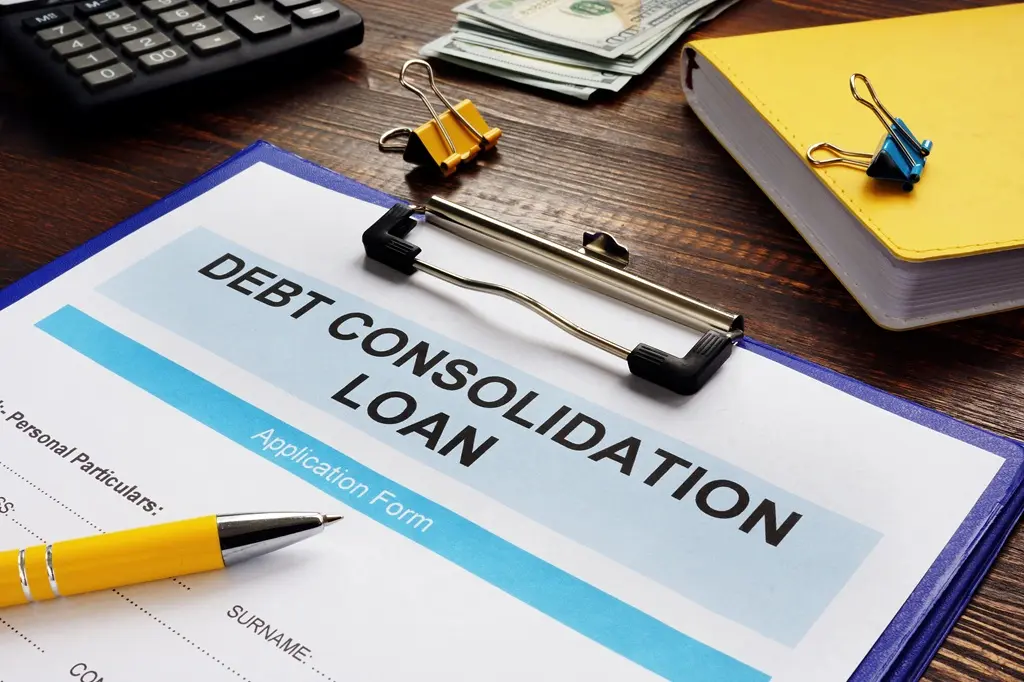
A Debt-Consolidation Refinance is a type of mortgage refinance where the borrower increases their loan amount to pay off high-interest debts. The refinancing process replaces multiple loans with one new mortgage, typically offering:
This strategy is especially beneficial for homeowners who want to free up cash flow and eliminate the stress of managing multiple payments.
This refinance option may be ideal if you:
Jesse will review your debt obligations, equity, and financial goals to determine if consolidation is the most beneficial strategy.
A homeowner has:
Using home equity, they refinance and roll these debts into their mortgage at 6.5%:
Jesse provides a personalized breakdown for your unique debt situation.
A personal loan may be better if:
Jesse compares both options based on your goals, credit, and long-term financial outlook.
Jesse ensures you fully understand the costs, benefits, and long-term impact of refinancing for debt consolidation.
If you want to lower monthly expenses, simplify your financial life, and eliminate high-interest debt, a Debt-Consolidation Refinance may be the right solution.
Start your Debt-Consolidation Refinance review today with a trusted mortgage expert.
A debt-consolidation refinance is a mortgage strategy where you use your home’s equity to pay off high-interest liabilities, such as credit cards, personal loans, or auto debt. By rolling these into a new mortgage, you consolidate multiple monthly payments into a single, typically lower-interest payment.
The primary benefit is the interest rate differential. In 2026, credit card rates often exceed 20%–25%, while mortgage rates remain significantly lower. By moving that debt to a mortgage, you reduce the total interest paid and can significantly improve your monthly cash flow.
To qualify, lenders generally require:
Yes. FHA cash-out loans allow for debt consolidation up to 80% LTV, which is ideal for borrowers with lower credit scores. VA cash-out loans are highly effective for eligible veterans, often allowing consolidation up to 90% LTV, providing maximum access to equity.
Initially, you may see a small dip due to the hard credit inquiry and a new loan. However, in the long term, paying off multiple high-utilization credit cards usually significantly increases your credit score by drastically improving your credit utilization ratio.
The main risk is “securing” previously unsecured debt. If you fail to pay your credit cards, you face late fees and credit damage; if you fail to pay your mortgage, you face foreclosure. It is essential to have a disciplined budget to ensure the high-interest debt does not accumulate again.
Closing costs typically range from 2% to 5% of the total loan amount. However, because you are often saving hundreds or thousands per month in interest payments, most homeowners find they reach a “break-even point” where the savings outweigh the costs within 12 to 24 months.